
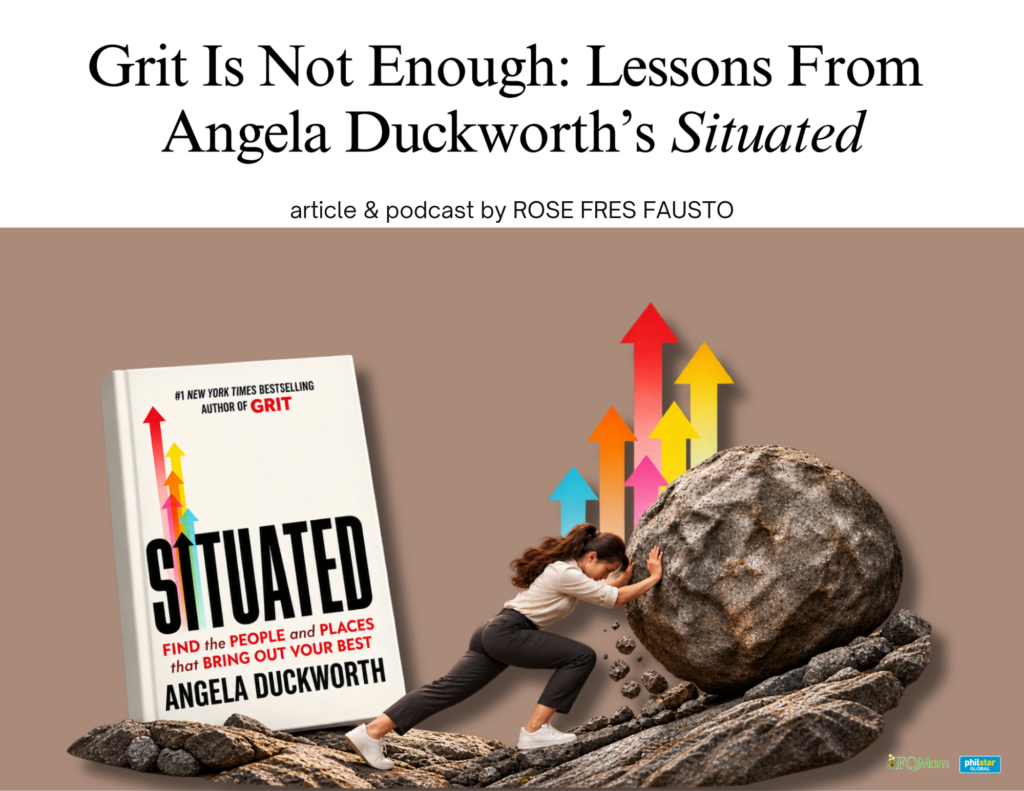
Grit Is Not Enough: Lessons From Angela Duckworth’s Situated
A decade ago, we, especially parents, were all captivated by the concept of grit. Angela Duckworth, in her bestselling book Grit: The Power of Passion and Perseverance and her TED Talk watched tens of millions of times, taught us that talent is overrated and that sustained effort over time is the real secret to long-term success. Today, exactly 10 years after Grit’s release, she is offering an evolution to that idea: Grit is not enough. It is not only tiring to just count on it but the truth is, even the grittiest among us cannot consistently beat a poorly designed environment.
And boy! Did I want to give her a huge high-five! Her book Situated (Find the People and Places That Bring Out Your Best) just came out this month and I lost no time in finishing it. You know that feeling when what you’ve been saying is being validated by experts? That’s how I felt while listening to the audiobook, which is also narrated by her. The message so resonates with my own mantra: Design! Design! Design! This is my battle cry in FQ Book 3: High FQ By Design (Shape Your Environment For A Financially Healthy You).
True mastery isn’t about fighting through resistance—it’s about shaping your surroundings so that doing the right thing becomes the default choice.
The Humility of Accepting Our Weaknesses
In the many years of my work advocating for FQ (Financial Quotient) instead of Financial Literacy, I have observed a recurring human flaw. It’s either behavioral ignorance or behavioral arrogance. We love to believe that we possess ironclad self-control. We tell ourselves, “I can resist spending money on that sale.” or “I will stick to my diet starting tomorrow.” or “I will just have coffee with that cute married guy, nothing will happen.”
I am reminded of a story about someone who struggled with a weight problem for years. Whenever the topic of health came up, she would defensively claim, “I know I can lose weight anytime I want to.” Years later, in a moment of vulnerability, she admitted the truth: she had been hating her overweight self for decades, trapped in a cycle of shame and frustration because she couldn’t rely on sheer willpower.
And who really can? Her story is a painful reminder of what happens when we rely on willpower alone. It’s the same with overspending at a sale or having an affair with a married man. Success on these matters begins with humility—accepting that we are both Makatwirang Mak and most of the time, very Emotional Emong. As extensively discussed in FQ Book 2: Why Financial Education Alone Does Not Work, we are fundamentally wired to yield to immediate temptations when they are within easy reach. (Check your MakEmong Score in the book so you know how to protect yourself from yourself.)
The Willpower Myth
The common perception is that high performers have immense willpower because they accomplish so much without giving in to distractions. In 2012, researchers led by Hofmann and Baumeister tracked the daily desires, temptations, and self-control efforts of hundreds of participants in real time throughout their everyday lives. What they uncovered was the opposite of the common perception.
High performers actually use willpower less than everyone else! Why? Because they design systems that make willpower unnecessary! They remove the friction for good habits and add them for bad ones.
The 3 Boxes Model
In her latest book, Angela thoroughly discussed this 3 Boxes Model by James Gross.
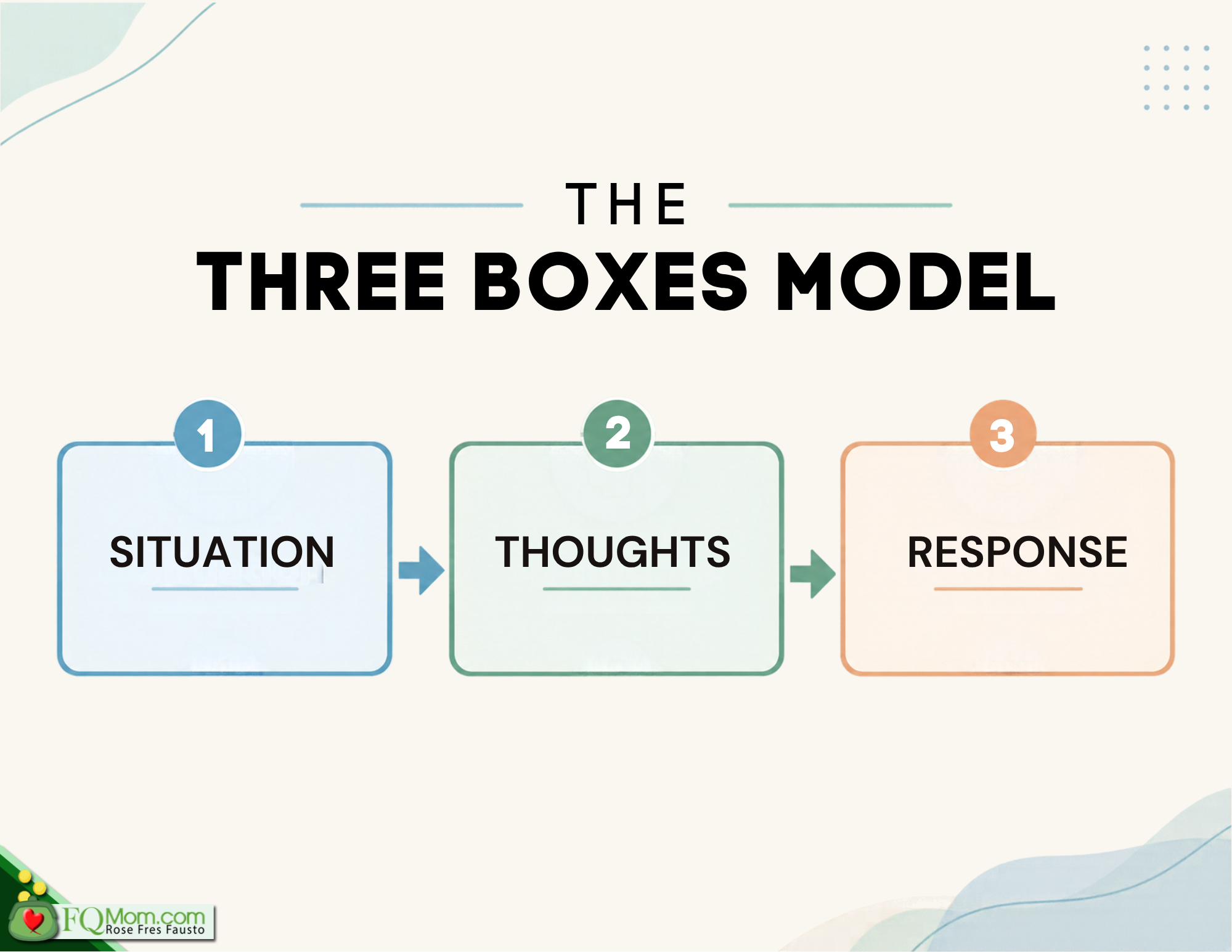
Box 1 represents a given situation, box 2 is how you think about it, and box 3 is your response, your actual behavior.
Let’s say you were not happy about your behavior (box 3) during the last time you received your salary because you did a lot of online shopping to de-stress yourself. You probably automatically blamed your lack of willpower and beat yourself up saying that on your next payday, you will exercise more self-control. You will think of your retirement savings account (alter box 2) so that your box 3 response will be favorable.
But who knows what’s going to happen on your next payday? You’re not sure what the level of your finite and often fluctuating willpower will be. So, what’s the solution? Change your box 1, your situation. How do you do that?
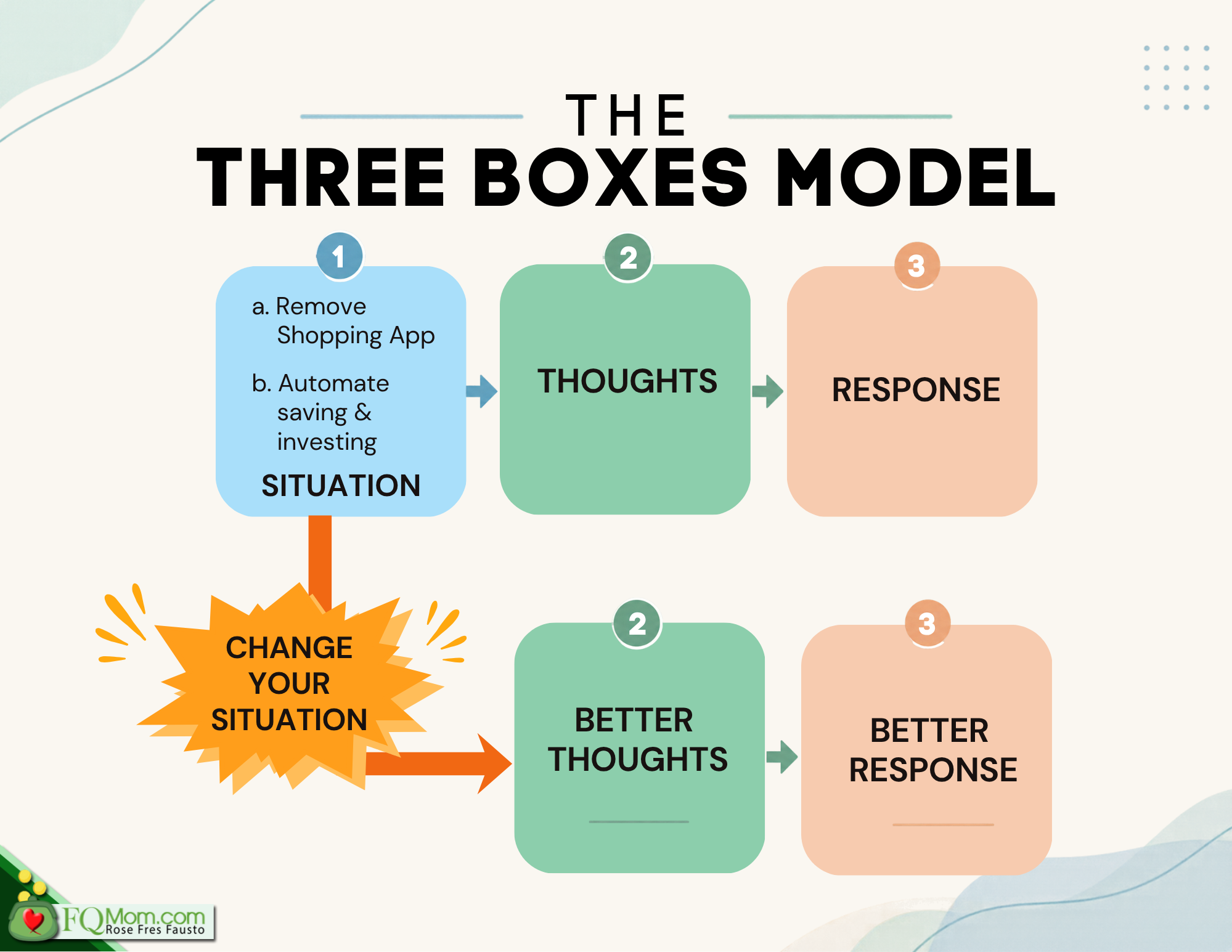
If you change your situation by doing these two things prior to payday, you will be protected:
- Remove the shopping app
- Automate your saving and investing
I promise, automatic saving and investing (with savings rate approximately equal to your age until you reach 50% at 50 years old) will really make growing old more enjoyable.
Designing My Own Surroundings for Healthy Aging
As I focus on healthy aging and well-being, I have been putting this framework into practice in my life through environmental designs. In the book, Angela calls it Situational Agency.
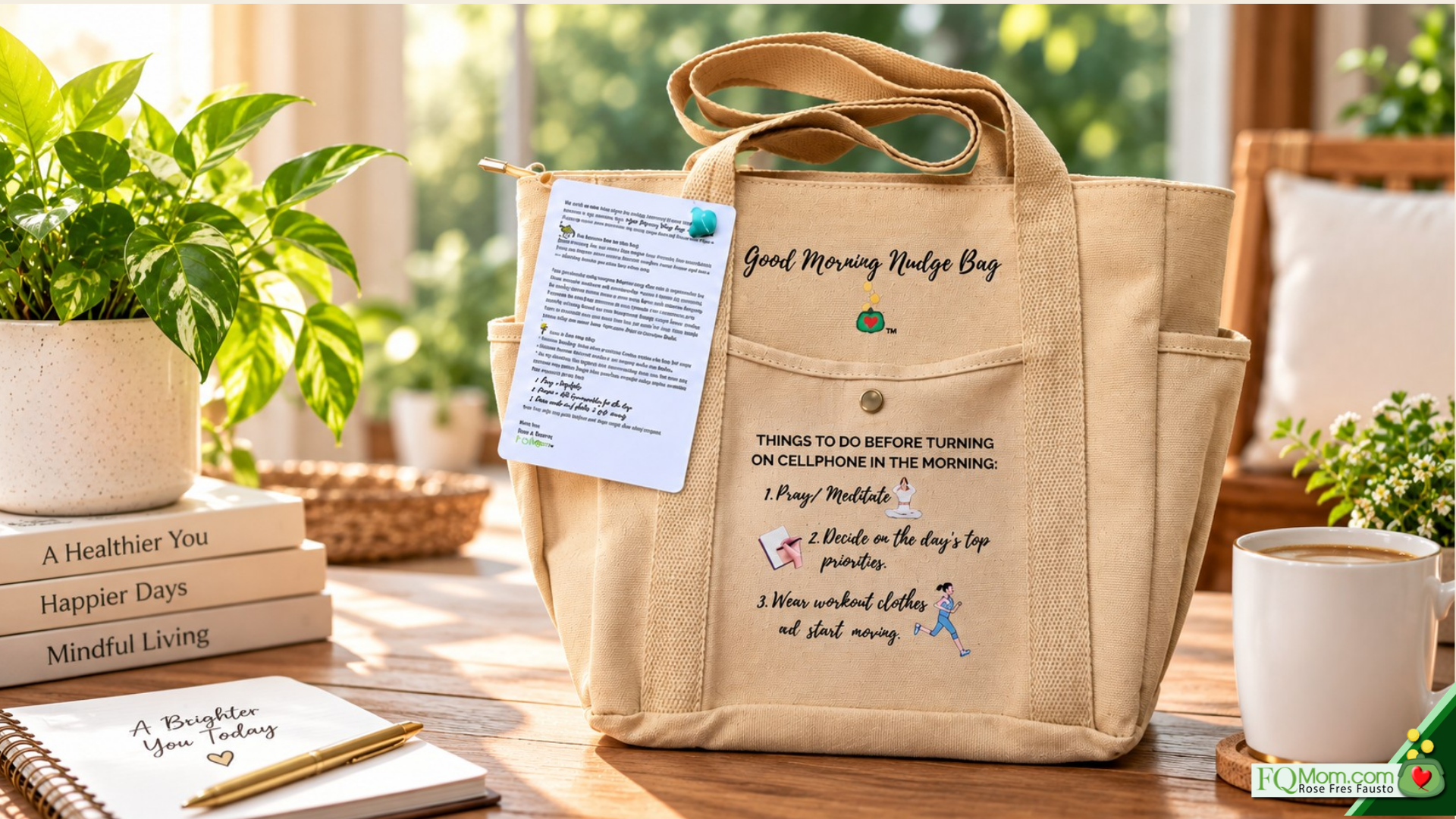
1. The Nudge Bag for Digital Detox
Our smartphones are engineered to hijack our temporal and physical “boxes” the moment we wake up and right before we sleep if we keep them by our bedside. To combat this, I created a Nudge Bag—a simple pouch designed to carry my workout clothes and phone placed outside our bedroom. By adding physical friction between my hands and the screen at the start and end of the day, I protect my sleep and peace of mind without needing to test my willpower every night.
2. Renaming Spaces in Our Home
To make healthy habits easier and more fun for me and my husband, I recently undertook a home project focused on explicitly naming some rooms and areas in our house. It gives us a resort vibe while doing our needed regular exercise and at the same time, it nudges us to use them as intended.

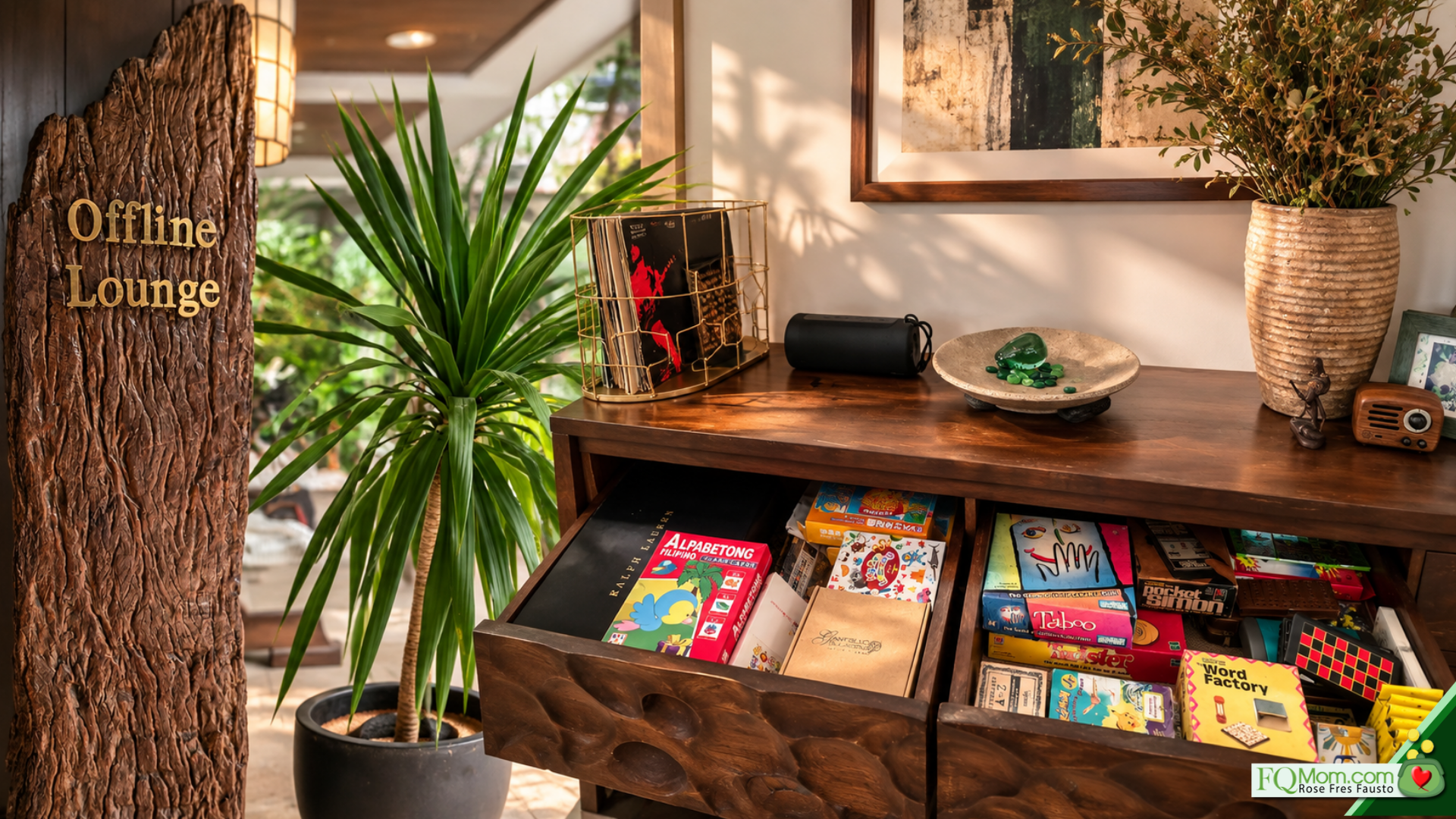

Design over Discipline
Angela Duckworth’s Situated isn’t a contradiction to Grit—it’s a completion of the puzzle. Grit gives you the drive to set high goals and pursue them, but situational design creates the architecture that allows you to achieve them more easily and joyfully. (In the new book, aside from space, she also discusses peers, mentors, and culture.)
Stop counting just on your finite and fluctuating willpower. Know your Emotional Emong well, your human vulnerabilities, and embrace the humility to Design! Design! Design! for your dream life.
ANNOUNCEMENT:
- Willpower alone isn’t enough—your financial habits are shaped by your behavior and the environment you create. Take the FQ Test today to discover your Financial Quotient and see how well your money knowledge and behavior are working for you.
- Knowing what to do with your money is only the beginning—lasting financial well-being comes from understanding your behavior and designing better habits. Get the FQ Trilogy and learn how to Know, Do, and Design your way toward a financially healthy life.
This article is also published in Philstar.com
