
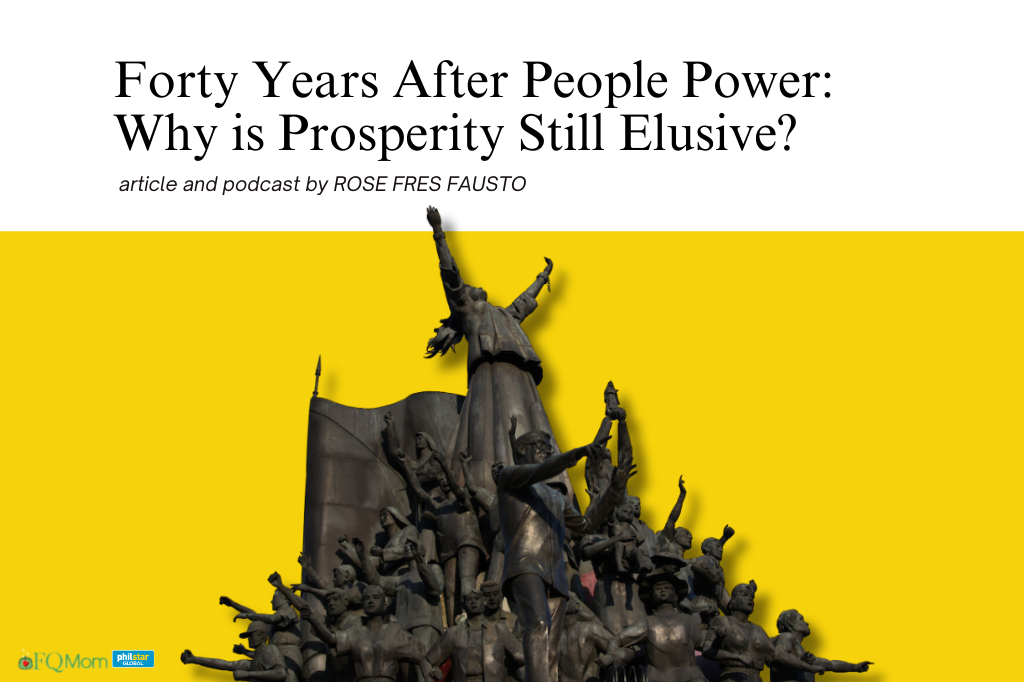
Forty Years After People Power: Why is Prosperity Still Elusive?
Forty years ago, the world watched something extraordinary unfold on EDSA.
Unarmed civilians faced tanks. Nuns prayed. Soldiers defected. Ordinary Filipinos showed the world that courage, restraint, and unity could bring down a dictatorship—without a single shot fired.
It wasn’t just a Filipino victory. EDSA became a global reference point, a model cited by democratic movements in Eastern Europe, Latin America, and parts of Asia. People Power proved that change did not always have to come through violence. It could come through conscience.
It was a proud moment for the country.
And yet, forty years later, many Filipinos are frustrated. If we did something great back then, why is prosperity still so elusive today?
To explore that question, I reached out to leaders whose work and contributions have shaped monetary policy, governance, and social reform. Their reflections—shared here in their own words—reveal both the distance we’ve traveled and why the journey remains unfinished. Their opinions widened my perspective and allowed me to offer parallelisms with what happens within a family, something that the ordinary Filipino can grasp more easily. Let me share them with you.
Amando M. Tetangco Jr.
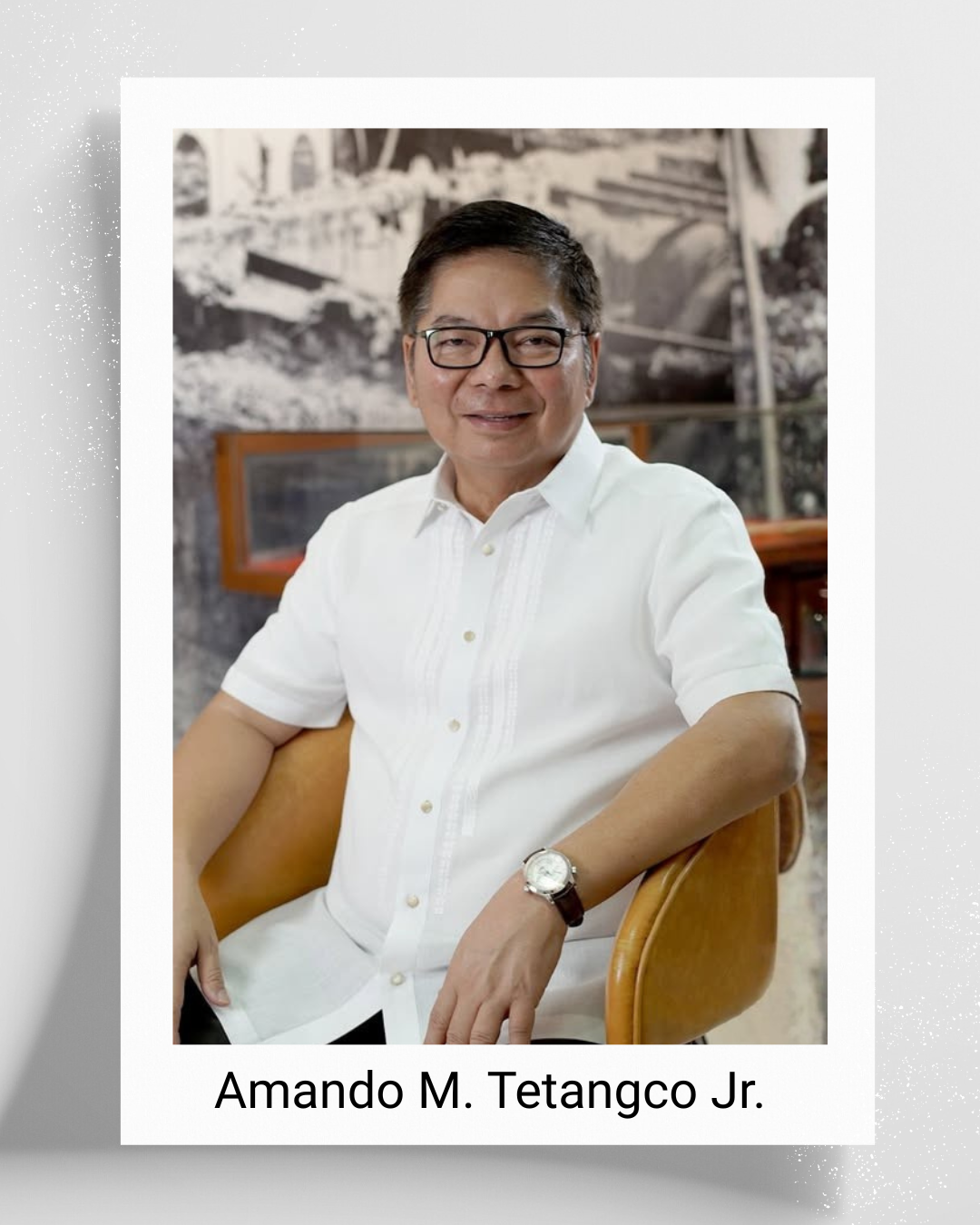
“Four decades ago, the Philippines undertook a major political transition that restored democratic institutions and economic freedoms. These foundations allowed the country to rebuild policy credibility, strengthen the banking system, attract foreign capital and achieve periods of solid economic expansion. The gains since then in macroeconomic stability, financial resilience, and global integration are tangible.
To assess whether prosperity remains elusive, we must first define it. If measured by per capita income, poverty reduction, financial inclusion, and macroeconomic stability, Filipinos today are better off than they were a generation ago. Income per person has risen over time. Poverty incidence has declined over the long term despite periodic setbacks. Inflation is more firmly anchored, and the banking system is stronger and more resilient. These are real advances.
Yet prosperity cannot be judged by averages alone. It must be reflected in the quality of jobs, the pace of income growth, and the breadth of opportunity. Regional disparities persist. Learning outcomes and productivity indicators show that human capital development must improve. Infrastructure and logistics constraints, though narrowing, still affect competitiveness. These structural gaps require sustained reform and institutional continuity.
The experience of the past forty years shows that sound macroeconomic management and credible institutions are necessary foundations. The next phase is to build on that stability by raising productivity and expanding opportunity. Nation building is cumulative work. Each generation has the responsibility to strengthen institutions so that growth becomes more inclusive, more durable, and more widely felt.”
Governor Tetangco’s reflection is both reassuring and sobering.
By many measures, we are stronger than we were in 1986. Inflation is steadier. The banking system is more resilient. Poverty has declined over time.
These are real gains.
Family Parallelism: In family terms, imagine your balance sheet to be healthier than it once was. You now have an emergency fund, your debt is more manageable, and your roof no longer leaks like it used to.
But your family is not prosperous just because your numbers have improved. Prosperity happens when your parents are not constantly anxious about money and security, when the children believe that they have options on how they want to lead their lives and they don’t have to work abroad away from their family and loved ones just to earn a living. There should be room for dreaming. And yet, it should not be forgotten that the family members are now closer to being able to dream than they were 40 years ago.
Erin Tañada
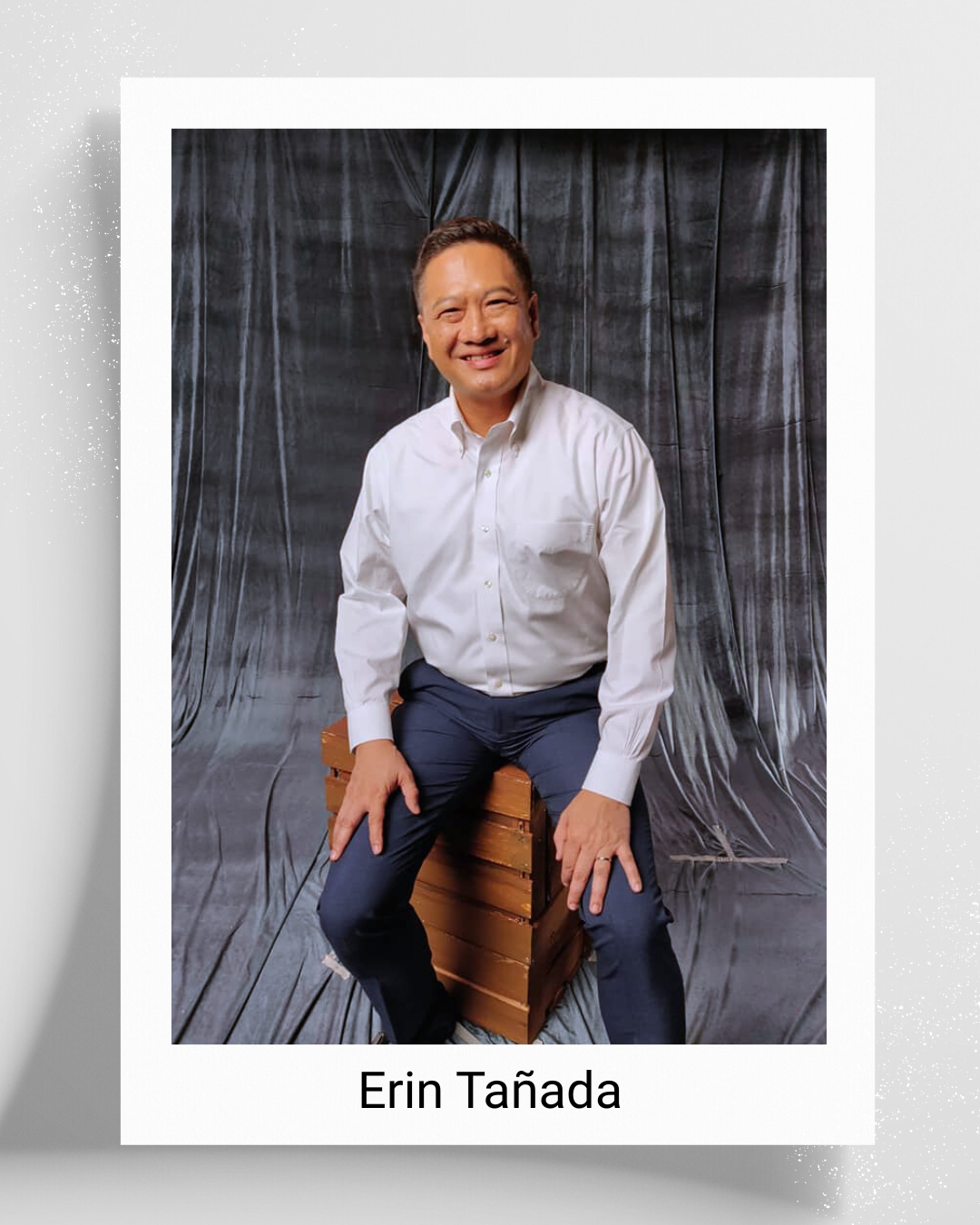
“A majority of the leaders we elect are more concerned with their own prosperity and not of that of the poor. If we address the prosperity of the poor, the whole country prospers.”
His answer shifts the focus from economic systems to moral choices. A country cannot rise if its poorest remain stuck. EDSA restored democracy and gave us the power to choose our leaders more freely. Prosperity depends on how wisely and how consistently we choose.
Family Parallelism:
In a family, if only one child thrives while the others struggle, the household is not truly well. Resentment grows. Dependence deepens. Confidence shrinks.
A wise parent does not only care and spend for the most gifted child. A wise nation does not design growth that benefits only the already powerful but designs for the greater good.
Rapa Lopa
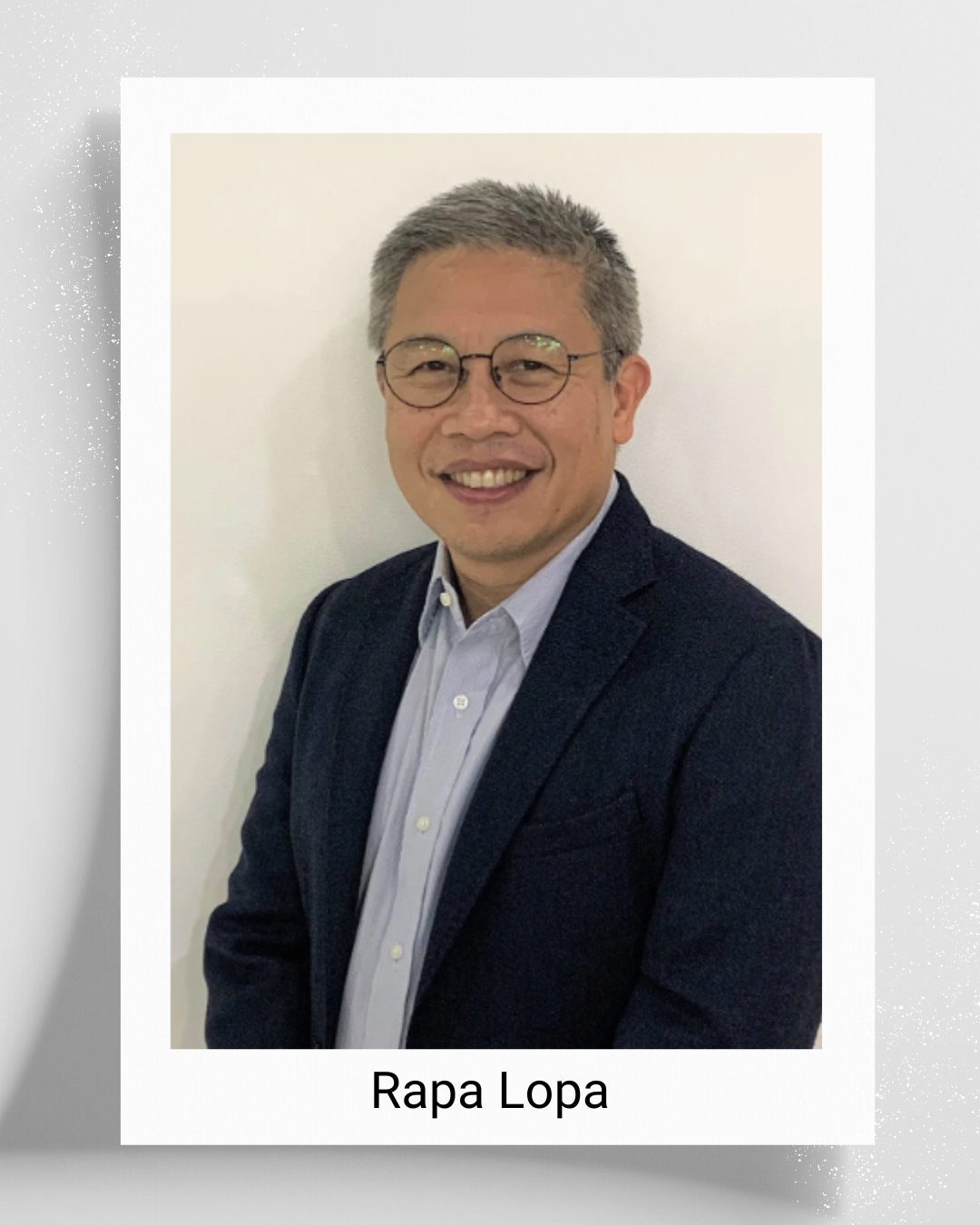
“Until we as a nation are able to establish and maintain a system that will break intergenerational poverty, we cannot expect prosperity to be a reality in our country. True People Power will only be realized when majority of our people are no longer vulnerable to and dependent on patronage of the few.”
Intergenerational poverty is quiet. It passes from parent to child like an unpaid obligation.
Vulnerability shapes behavior. When people fear falling, they cling. When citizens depend on patronage, they cannot demand accountability.
Family Parallelism: A family who inherited poverty from their parents and their parents’ parents is usually trapped in debt. Its members rarely have the capacity to dream. Their focus is survival—where to get money to put food on the table, pay the rent before they get evicted, the children’s tuition, their debts from loan sharks, and all sorts of bills.
Children raised in constant uncertainty often grow up prioritizing security over opportunity. Citizens raised in constant vulnerability often choose protection over reform.
When families are fragile, they cling. When nations are fragile, they settle.
True People Power is not just about removing a dictator. It is about removing fragility.
Cesar V. Purisima
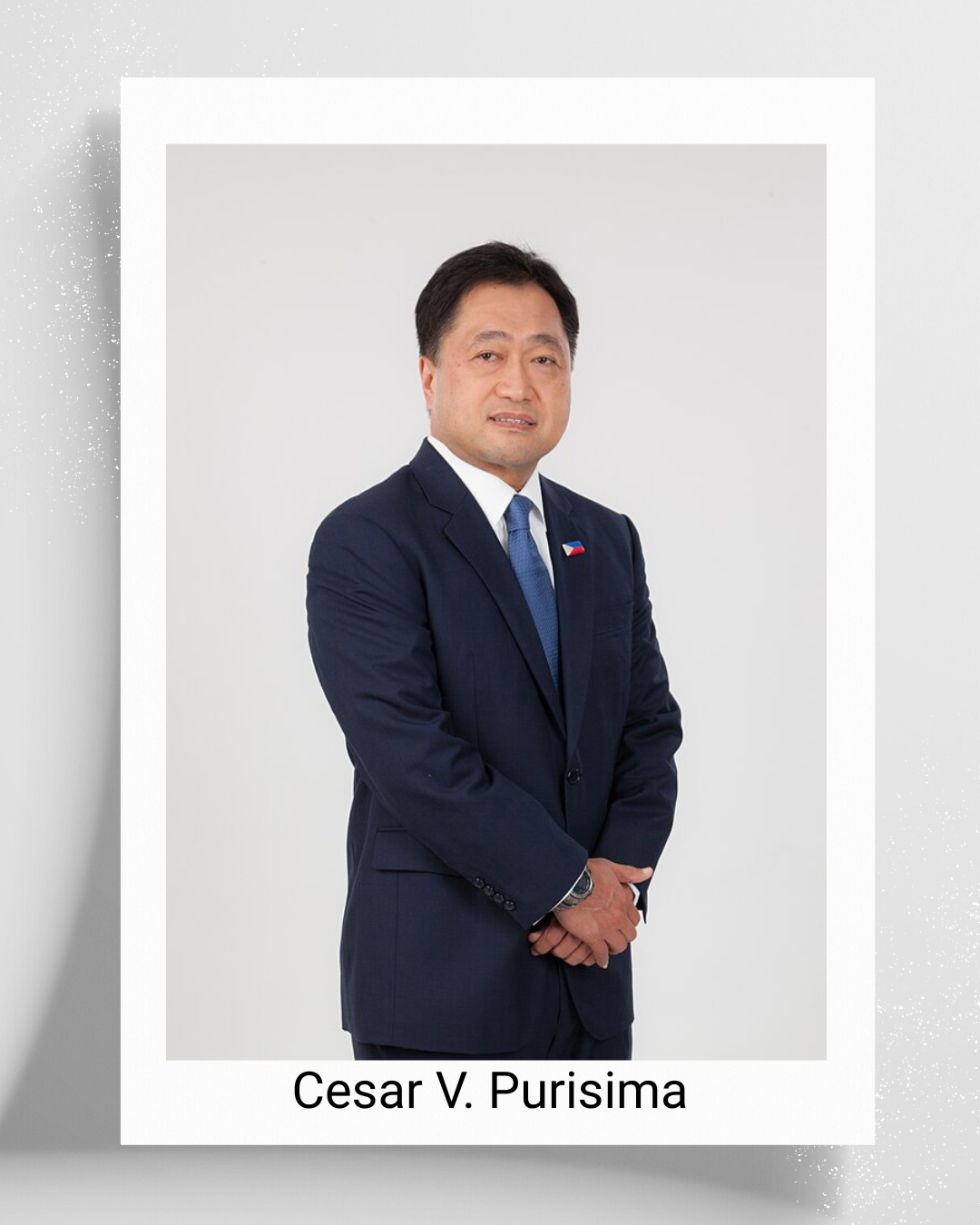
“People Power won freedom, not prosperity. Prosperity demands breaking vested interests and regulatory capture, building strong, often boring, institutions anchored on the rule of law, investing heavily in people and infrastructure, and committing to a long game that extends well beyond electoral cycles.
Instead, every administration reset priorities. Industrial policy never had time to mature, infrastructure programs kept starting and stopping, and reformers rarely stayed long enough to finish what they began. Development, however, runs on boring continuity and we never sustained it. The one area where we achieved continuity, precisely where we did not want it, was in political dynasties and patronage and personality politics.
OFWs and the BPO sector kept the economy afloat, but at a cost. Remittances and services exports eased the pressure to reform, to create broad-based domestic industries; families survived and consumption grew, but manufacturing and higher-value sectors failed to scale, while brain drain hollowed out critical capabilities. These stopgaps softened poverty but postponed deeper development.
Unless we shift from personality politics to party-based platforms and programmatic advocacy, EDSA’s political gains will fizzle. Political freedom cannot endure without economic freedom and that ultimately comes from broader, sustained prosperity.”
His words land heavily—not because they accuse—but because they reveal.
Freedom is dramatic. Prosperity is repetitive.
Freedom is emotional. Prosperity is institutional.
We mastered dramatic change. We struggled with disciplined continuity.
Family Parallelism:
Families thrive with consistency in rules, plans, and behavior. If parents flipflop on these important parameters or guard rails, their children will be left confused. In fact, as I always discuss in my books and articles, we have to be deliberate in designing our environment to make it easy for all members to do the right thing.
It’s the same with nations. We cannot reset economic priorities every election. We cannot build infrastructure from scratch every administration. We cannot develop industries if policies expire with personalities.
Families that succeed think and design long-term. Nations that succeed govern and design long-term. Families that tolerate favoritism fracture. Nations that normalize dynasties stagnate. Families that depend only on remittances survive. Families that build assets thrive.
What’s our long game?
So, where does all these leave us?
EDSA was not a failure.
It was a beginning.
The first forty years gave us freedom.
The next forty must give us maturity.
In life, forty is when illusions fade and long-term thinking deepens. We stop chasing applause and start building legacy. We understand that stability is not boring—it is protective. That discipline is not restrictive—it is liberating.
Maybe the same can be true for nations.
Maybe at forty, we stop waiting for heroes and start strengthening institutions. Stop chasing personalities and start demanding performance. Stop resetting and start compounding.
A nation is a collection of families. If families practice discipline, integrity, and long-term thinking, nations eventually reflect it.
People Power showed the world what we, Filipinos, can do in extraordinary moments.
The next chapter will show what we can do in ordinary ones.
And who knows? Maybe what happens to individuals also happens to a nation who gained its independence, “Life (together with prosperity) begins at forty!”
ANNOUNCEMENTS
- The next chapter of our history isn’t about tanks and protests—it’s about discipline, integrity, and compounding. It’s time to check your family’s financial foundation. Building a prosperous nation starts with building a financially intelligent YOU. Click the link to take the FQ Test and get your score!
- If you’re tired of the “financial reset” every time a crisis hits, it’s time to master your Financial Quotient. The FQ Trilogy gives you the tools to: Master your Relationship with money, fix your Behavior towards spending and designing a life of financial freedom. Stop waiting for the system to change. Change your system. Grab your copies here.
This article is also published in Philstar.com.
